

New ADHD Brain Study Confirms What You Already Knew: Your Emotions Aren't the Side Effect — They're the Thing
You're sitting across from someone — a doctor, a partner, a well-meaning friend — and they say it again. "The ADHD explains the focus stuff. But the emotional part? That's probably something else."
You nod. You've been nodding for years. But inside, something tightens. Because you know your emotions and your ADHD aren't two separate problems. The rage that comes out of nowhere when plans change. The way a mildly critical email can flatten your entire afternoon. The crying that starts before you've even figured out what you're upset about. It doesn't feel like a side effect. It feels like the center of the whole thing.
If that sounds familiar, a major new study just gave you some of the strongest scientific backing you've ever had.
At Brilla Counseling in Sacramento, we specialize in helping women with ADHD who live with exactly this kind of emotional intensity. In over a decade of cumulative clinical work with neurodivergent women — in East Sacramento and via telehealth across California — we've consistently seen what this research now confirms: for a significant subset of women with ADHD, emotional dysregulation isn't a footnote. It's the headline.

For many women with ADHD, a single critical comment can replay for days. That lingering intensity is one of the ways emotional dysregulation shows up.
What did the new ADHD brain study find?
Three brain-based ADHD biotypes. A 2026 study published in JAMA Psychiatry by Pan and colleagues at West China Hospital and Monash University used structural MRI scans from over 1,150 children to identify three biologically distinct ADHD subtypes — what the researchers call "biotypes." No questionnaires. No symptom checklists. Just brain architecture.
The most striking finding was what they called Biotype 1: a severe, combined ADHD presentation with persistent emotional dysregulation, widespread brain abnormalities in the medial prefrontal cortex and pallidum, and a neurochemical signature spanning serotonin, dopamine, acetylcholine, and histamine systems simultaneously.
The children in this group had the highest scores on both inattention and hyperactivity-impulsivity. They had the most persistent emotional regulation difficulties over four years of follow-up. And their brain scans showed the most extensive deviations from age-matched norms — 45 significant abnormalities, compared to 26 and 11 in the other two groups.
This isn't a subtle difference. It's a different biological profile.
Why doesn't "just manage your emotions" work for some women with ADHD?
Because for some ADHD brains, emotional dysregulation is structural — not behavioral. You've probably been told your emotional intensity is a separate problem. Something to treat alongside the ADHD, or something you should be able to manage with enough coping skills and deep breaths. We want to gently challenge that framing.
What the Pan et al. study shows is that for the most severely affected group, the emotional dysregulation isn't happening because of poor coping. It's happening because the brain regions responsible for integrating emotion and impulse control — the medial prefrontal cortex and the pallidum — are wired differently. The prefrontal cortex handles self-reflection, emotion regulation, and value-based decisions. The pallidum filters impulses before they become behavior. When both of those systems show widespread abnormalities, no amount of willpower is going to make emotions feel manageable.
This is the part most ADHD advice skips. The standard guidance assumes emotions are downstream of attention and impulse control. This research suggests that for a subset of people with ADHD, the emotions are the primary disruption — and they share a biological root with the attention and impulse symptoms, not a separate one.
What is "deficient emotional self-regulation" in ADHD?
A core feature, not a side effect. The Pan et al. study uses a term originally proposed by Russell Barkley, PhD — one of the most-cited ADHD researchers in the world — called "deficient emotional self-regulation," or DESR (Barkley, 2010). Barkley has argued for decades that emotional dysregulation belongs in the diagnostic criteria for ADHD but has been left out of the DSM.
In the study, DESR was measured using the Child Behavior Checklist (Achenbach & Rescorla, 2001), a well-validated tool that tracks anxious-depressed symptoms, aggressive behavior, and attention problems together as a composite (Spencer et al., 2011). What made Biotype 1 distinct wasn't just that these scores were high — it was that they stayed high. Over four years of follow-up, the other two biotypes showed significant improvement. Biotype 1 didn't.
If you're a woman with ADHD who has been told your emotional reactivity should have improved by now — that you should have "outgrown" it or "worked through" it — this finding matters. It suggests that for some ADHD brains, emotional dysregulation isn't a phase. It's a persistent neurological pattern that requires a different kind of support than the standard approach offers.
How does this connect to rejection sensitive dysphoria?
They're related but not the same thing. If you've read about rejection sensitive dysphoria (RSD), you might be wondering whether Biotype 1 is just RSD with a brain scan. It's a reasonable question, but the answer is more nuanced.
RSD — the term popularized by psychiatrist William Dodson, MD (Dodson, 2022) — describes the intense, often physical pain that comes with perceived rejection or criticism. It's a clinical concept that resonates deeply with many women with ADHD, and it captures something real. But RSD isn't a formally validated diagnostic construct, and the Pan et al. study didn't measure it.
What the study did measure — DESR — is broader. It includes emotional reactivity, irritability, and difficulty recovering from emotional disruption, not just rejection-specific pain. Think of RSD as one possible expression of the wider emotional dysregulation pattern. If DESR is the ocean, RSD is a particular current within it.
In our clinical work, we see women who experience both — the broad emotional storms and the specific rejection sting. The point isn't which label fits best. The point is that both are rooted in neurology, not personality, and both deserve treatment that takes that seriously.

After a late ADHD diagnosis, many women start to see their strong emotional reactions as part of how their brain works, rather than a flaw in their character.
Why might standard ADHD treatments fall short for this group?
Because the neurochemistry is more complex than stimulants alone can address. One of the most clinically relevant findings from the study is the neurochemical decoding. The researchers mapped each biotype's brain abnormality pattern onto known neurotransmitter receptor distributions using PET imaging data.
Biotype 1's brain pattern correlated significantly with serotonin, dopamine, acetylcholine, and histamine receptor systems — all at once. Standard stimulant medications primarily target dopamine and norepinephrine. That's a meaningful mismatch.
This doesn't mean stimulants don't help. For many women with ADHD, stimulant medication is a critical part of treatment. But for the subset whose ADHD includes severe emotional dysregulation, research suggests stimulants alone may not be enough. As Rod Mitchell, RPsych, told Healthline about the study's implications, the standard "diagnose, prescribe stimulant, adjust dose" approach may only fit one of the three groups well.
What might work better? The research is still early, but the direction points toward personalized, multi-modal treatment — combinations that might include:
- Stimulant medication for attention and executive function
- Non-stimulant agents (like guanfacine or atomoxetine) that address different receptor systems
- Structured psychotherapy targeting emotional regulation specifically — ACT, DBT-informed skills, or emotion-focused work
- Approaches that treat the emotional and attentional symptoms as one system, not two
If you've tried medication and felt like it helped your focus but didn't touch the emotional intensity, this research may explain why. You weren't doing it wrong. The approach may not have been matched to your biology. We work with women navigating exactly this.
What does this look like in real life?
It looks like you. The study was conducted on children, not adult women. That's an important caveat (more on that below). But the patterns the researchers describe map onto experiences we hear about every week in our practice.
The morning shutdown: You wake up already dreading a conversation you need to have. By the time you get to it, you're either in tears or so numb you can't access what you actually wanted to say. The emotional load consumed the executive function you needed for the task.
The recovery gap: Your partner says something offhand at dinner. It wasn't cruel. It might not have even been about you. But four hours later, you're still replaying it. You can't shift your attention off the emotional residue, no matter what you try.
The mask-and-crash cycle: At work, you hold it together perfectly — focused, organized, warm. Then you walk in the door at home and the mask comes off. Everything you held in during the day hits at once. The people closest to you get the version of you that has nothing left.
The treatment frustration: You've been on medication. It helped with task initiation and follow-through. But the emotional storms didn't change. You told your prescriber. They adjusted the dose. It still didn't change. You started wondering if this was even ADHD at all, or if something else was wrong with you.
Nothing is wrong with you. Your ADHD may just have a different biological signature than the one your treatment was designed for.
What are the limitations of this study?
It's early and important — both things are true. We take YMYL (Your Money or Your Life) content seriously at Brilla, and we don't want to oversell what this study means. Here's what you should know:
1. The study was on children, mostly boys. The sample was about 76% male and aged 6-18. The experiences of adult women with ADHD — especially those diagnosed late, dealing with hormonal interactions, or masking for decades — are not directly represented. Whether these three biotypes map cleanly onto adult women's brains is an open question.
2. There was no treatment trial. The researchers didn't test whether different medications worked better for different biotypes. The treatment implications are inferred from the neurochemistry, not proven in a clinical trial. David Goodman, MD, at Johns Hopkins, described the clinical applicability as "guarded."
3. Effect sizes were modest. The brain differences are real and statistically significant, but they're not large enough to diagnose individuals from a scan. This is population-level research, not a clinical tool you can walk into a doctor's office and request.
4. This isn't a new DSM diagnosis. The three biotypes roughly mirror the existing DSM-5 presentations (combined, hyperactive-impulsive, inattentive) while adding a biological layer, particularly the emotional dysregulation dimension. The DSM hasn't changed, and these biotypes aren't diagnostic categories yet.
What is genuinely new: the strongest brain-imaging evidence to date that emotional dysregulation is a biologically distinct feature of certain ADHD presentations — not a comorbidity, not a personality trait, not a failure to cope.
What can you do with this information right now?
You can't get a biotype scan at your doctor's office. But you can use this research to inform how you think about your own treatment.
1. Stop splitting your symptoms into "ADHD stuff" and "emotional stuff." If your emotional reactivity, your rejection sensitivity, and your attention difficulties all started around the same time and feel connected, they probably are connected. Treating them as separate problems may be part of why treatment hasn't fully worked.
2. Talk to your prescriber about the full picture. If stimulant medication has helped your focus but not your emotional regulation, that's worth a direct conversation. Ask about adjunctive approaches — non-stimulant medications, combination strategies, or therapeutic modalities that address emotional regulation specifically.
3. Consider therapy that takes emotional dysregulation seriously. Not all therapy approaches are equally good at this. Generalized talk therapy may not be enough. Look for clinicians who work with ACT (Acceptance and Commitment Therapy), DBT-informed skills training, or emotion-regulation-specific protocols — and who understand how ADHD shapes the emotional landscape.
4. Let yourself off the hook for what hasn't worked. If you've tried every productivity system, every mindfulness app, every "just take a breath" strategy and still can't regulate the intensity of your emotional responses, this research says: that's not a character flaw. That's biology. The right support looks different for different brains, and you deserve support that matches yours.
5. Share this with someone who needs to hear it. A partner. A parent. A prescriber who doesn't fully understand why you react the way you do. Sometimes the most powerful thing isn't a new strategy — it's the validation that comes from a brain scan confirming what you've been trying to explain for years.
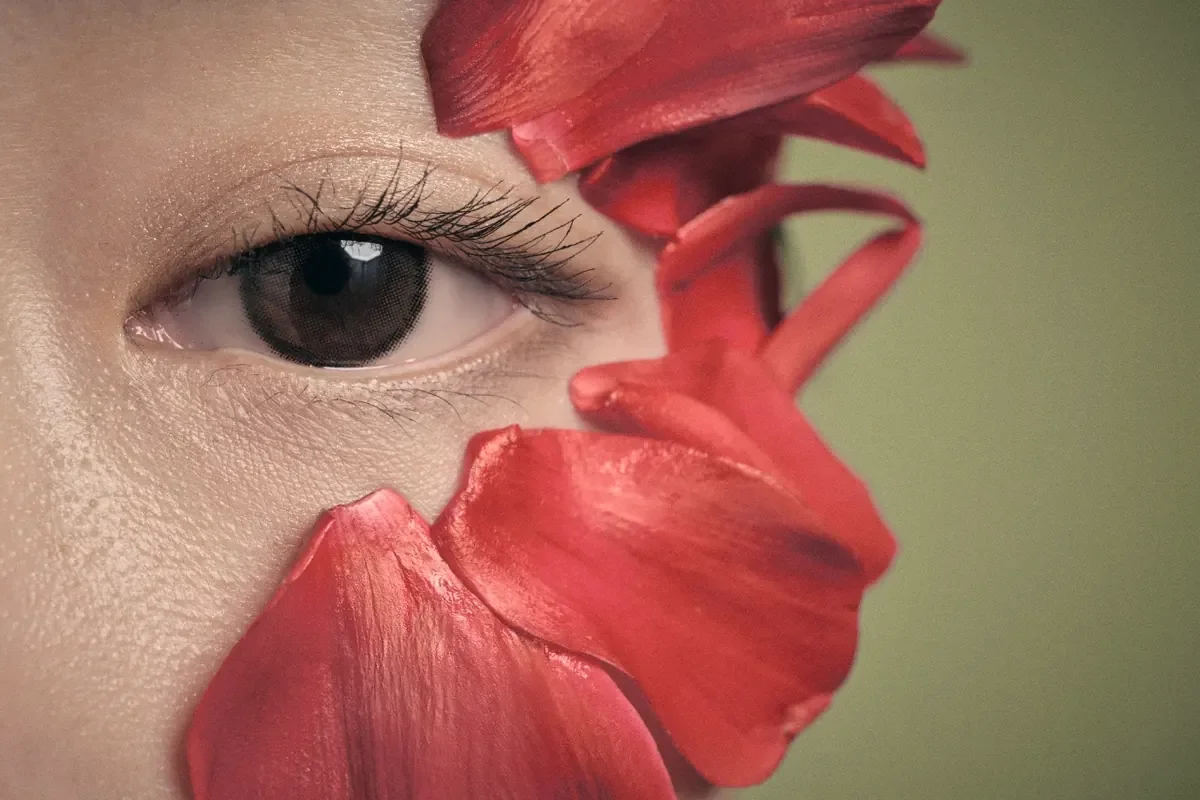
Many women with ADHD grew up hearing they were "too sensitive." Researchers have argued for decades that intense emotion is part of ADHD itself.
What This Might Bring Up for You
Since 2020, we've noticed that when women come to us wanting to understand their emotional dysregulation, the surface question is rarely the whole story. Usually it's pointing at something deeper.
You need someone to believe you. You've been told you're "too sensitive" and "too emotional" for so long that part of you has started to believe it. The deeper need isn't for a new coping skill. It's for someone with clinical authority to say: your experience is real, it has a name, and it has a neurological basis.
You're exhausted from treating symptoms instead of the pattern. You've done anxiety treatment. You've done depression treatment. You've done ADHD medication management. But no one has ever looked at all of it together and said: this might be one thing, not three. The deeper need is integration — someone who sees the full picture.
You're afraid that if you stop performing stability, people will leave. The mask isn't just at work. It's in your closest relationships. The deeper need isn't better emotional regulation — it's the experience of being fully known and still chosen.
Your emotions don't need to be fixed
This is where we land, every time: your emotional intensity is not a defect. It is a feature of your neurology, and new research is starting to confirm that at the level of brain architecture.
The goal of neurodivergent-affirming treatment has never been to make you feel less. It's to help you understand what's happening in your nervous system, build the support that matches your biology, and stop measuring your internal world against a neurotypical baseline that was never yours to begin with.
You are not too much. You are exactly as much as you are. And that deserves treatment that takes the full picture seriously.
Frequently Asked Questions
Is there a new type of ADHD?
Not officially, but the evidence is building. A 2026 JAMA Psychiatry study identified three brain-based ADHD biotypes using structural MRI, the most notable being a severe combined presentation with persistent emotional dysregulation. These are not new DSM diagnoses, but they represent the strongest neuroimaging evidence yet that ADHD may have biologically distinct subtypes beyond the current inattentive/hyperactive/combined framework.
Is emotional dysregulation part of ADHD or a separate condition?
It's increasingly seen as a core feature. Russell Barkley, PhD, has argued for decades that "deficient emotional self-regulation" should be a diagnostic criterion for ADHD. The Pan et al. study provides brain-based evidence supporting this view, showing that the most severely dysregulated biotype has a distinct neurological signature — not a separate condition layered on top.
What is the difference between emotional dysregulation and rejection sensitive dysphoria?
DESR is the broader pattern; RSD is one expression of it. Deficient emotional self-regulation includes emotional reactivity, irritability, difficulty recovering from strong feelings, and poor frustration tolerance. Rejection sensitive dysphoria is a more specific experience of intense pain triggered by perceived rejection or criticism. Both are associated with ADHD, but DESR is a validated research construct while RSD is a clinical concept not yet formally measured in peer-reviewed studies.
Can a brain scan diagnose my ADHD subtype?
Not yet. The biotypes identified in the Pan et al. study were derived from population-level structural MRI data using advanced statistical modeling. The effect sizes are too small for individual-level diagnosis. Brain scans are a research tool for understanding ADHD heterogeneity, not a clinical diagnostic available in your doctor's office today.
Why doesn't my ADHD medication help with my emotions?
Your neurochemistry may be broader than what stimulants target. Standard stimulant medications primarily affect dopamine and norepinephrine. Research suggests that the most emotionally dysregulated ADHD biotype involves serotonin, acetylcholine, and histamine systems as well. This doesn't mean stimulants aren't helping — it means they may not be enough on their own, and adjunctive medication or structured psychotherapy targeting emotional regulation may be needed.
Does this study apply to adult women with ADHD?
Indirectly, with caveats. The study sample was children aged 6-18, predominantly male. Whether the same three biotypes emerge in adult women — especially those who were diagnosed late or have been masking for decades — hasn't been tested directly. However, prior research by Surman, Faraone, and Barkley on emotional dysregulation in adult ADHD is consistent with the pattern the Pan study identifies, and clinicians working with adult women with ADHD widely report seeing the same profile.
Should I change my ADHD treatment based on this study?
Not unilaterally, but use it to start a conversation. This study doesn't tell you what to take or stop taking. What it does offer is a framework for talking to your prescriber about why your current treatment may not be addressing the full picture. If emotional dysregulation is a primary concern and hasn't improved with stimulant medication alone, that's worth discussing — and this research gives you language and evidence to bring to that conversation.
What this means for you
- Emotional dysregulation in ADHD has a biological basis — it's not a personality flaw or a failure to cope.
- A major 2026 study identified a brain-based ADHD biotype where emotional dysregulation is the most persistent and treatment-resistant feature.
- Standard stimulant-only approaches may not fully address this biotype's multi-system neurochemistry.
- Treatment that integrates medication, structured psychotherapy, and emotional regulation work is likely the strongest approach for this presentation.
- The study was on children, not adult women — but the clinical pattern it describes will be deeply familiar to many women reading this.
Lauren Dibble is an LMFT (License #123427), owner and clinical director of Brilla Counseling in Sacramento. She has been working with women with ADHD since 2020 and believes that healing doesn't have to look neurotypical.
Your brain is not a deficit to be managed. It is a system to be understood. And understanding starts with believing your own experience — even before the research catches up to confirm what you already knew.
If this is resonating, you don't have to figure it out alone. We work with women navigating exactly this — the emotional intensity, the treatment frustration, the question of whether anyone will ever see the full picture. Reach out for a free 20-minute consultation. You can also read more about ADHD masking in adults or why CBT doesn't work for a lot of women with ADHD.
