
The shift ends, and you sit in the truck in the parking lot for twenty minutes before you can make yourself drive. Not because anything happened. Because your head is still running the day at full volume, every patient, every kid, every call, and you need something between that and the front door. At home the first beer is the first moment the narration stops. You also know the second one has a habit of becoming the fourth, and that you have been meaning to look into that for a while.
Maybe you are a nurse, a medic, a teacher, a cop, a counselor, a guy who spends his day absorbing other people's crises and comes home with nothing left for his own. Maybe you were diagnosed with ADHD years ago and nobody connected it to the drinking, or you have never been diagnosed and a 2 a.m. search for "adhd and alcohol" described your evenings back to you. Maybe you are the partner, and you have started counting cans.
If a drink is the only reliable off-switch you have ever found for your own brain, keep reading. This post is for men with ADHD, diagnosed or suspected, for helping professionals who drink to come down off a shift, and for anyone whose evening drink has quietly taken on a job.
What it is: For many adults with ADHD, alcohol is doing a job: it slows a brain that will not idle, blunts the restlessness and irritation left over from the day, and makes the first hour at home bearable. That is self-medication, whether or not anyone has used the word.
What it costs: An ADHD brain is bad at stopping at one, so the drink that was supposed to be a dimmer switch becomes a nightly blackout curtain. Sleep gets worse, which makes the next day's ADHD worse, which makes the next evening's drink more necessary. Roughly one in four people in treatment for a substance use disorder meets criteria for ADHD, and most of them were never told.
Why "just cut back and use some willpower" is bad advice: Willpower is the exact resource ADHD runs short on by 6 p.m. Cutting the drink without replacing the job it does leaves the restlessness, the noise, and the shutdown fully intact, and the drink comes back. The clinical move is to treat the ADHD and build a different off-switch, then let the drinking lose its reason.
↓ Keep reading for why ADHD brains do not stop at one, what the research says treatment changes, and seven things to try before the next shift ends.
Brilla Counseling has worked with adults with ADHD in Sacramento since 2020, in person at our East Sacramento office and by telehealth across California. A pattern we see often in men and in people who work in caregiving jobs: the drinking gets named as the problem long before anyone asks what the drink has been managing.
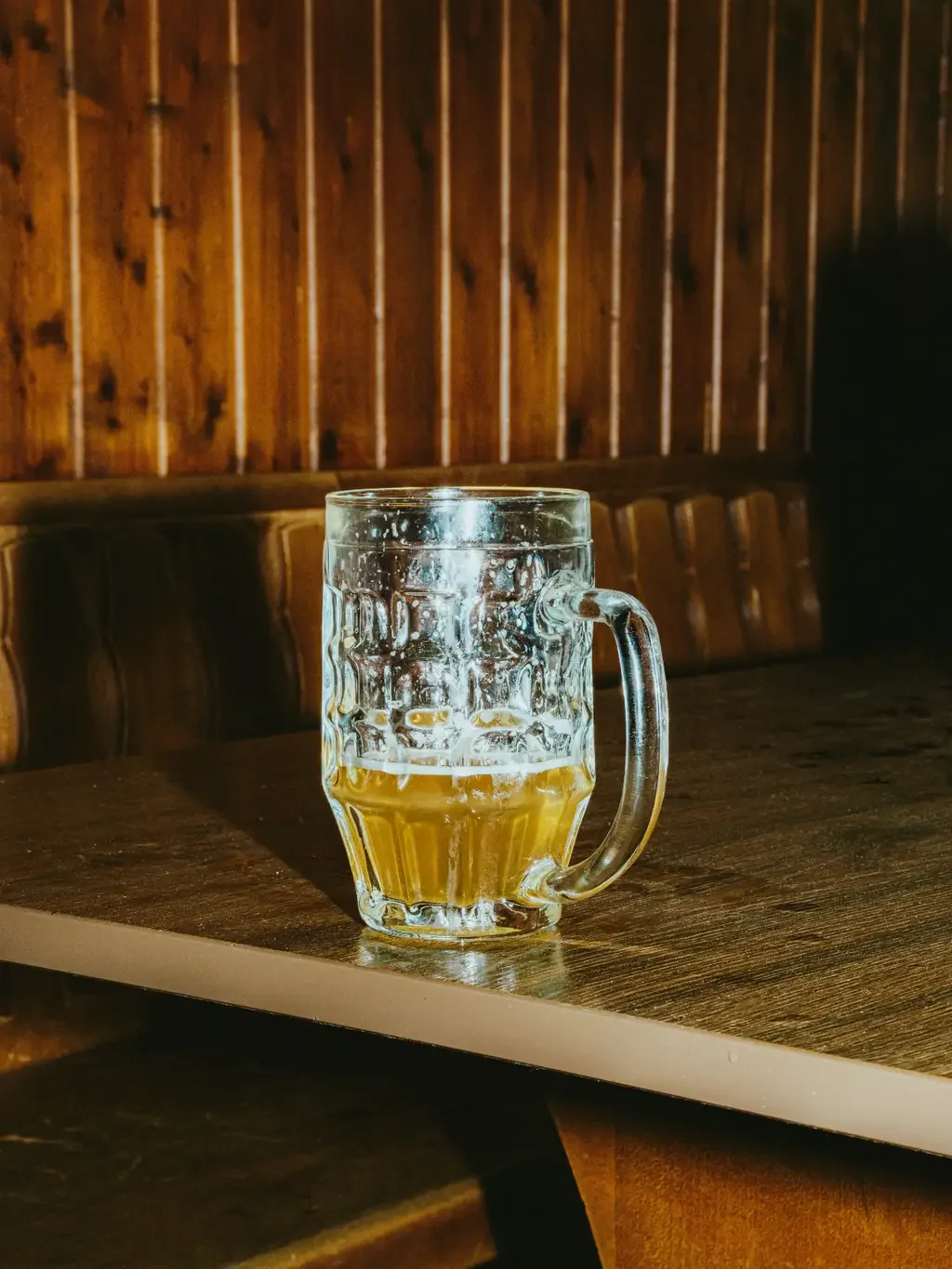
For many ADHD brains, the first drink feels like someone finally turned the noise down.
What does alcohol do for an ADHD brain?
It slows the engine down. Alcohol is a central nervous system depressant. It boosts GABA, the brain's main braking signal, and damps glutamate, the main accelerator. For a brain that runs hot, restless, and loud, that first drink feels like somebody finally found the volume knob.
There is a second effect that matters more for ADHD. Alcohol briefly raises dopamine, the signaling system ADHD brains run low on. That is why the first drink can feel less like sedation and more like relief, a sense of finally being level with everybody else in the room. It does work, for about forty minutes. The problem is what comes after, and the fact that an ADHD brain is wired to chase the forty minutes again.
Why doesn't the "it's just stress from work" explanation hold up?
Because stress ends and the drink doesn't. You have probably been handed a frame for this: the job is brutal, everybody in your unit drinks, a few beers after a twelve is normal, you have earned it. Parts of that are true. Helping professions carry an unusual load, and the culture around them treats drinking as the decompression tool.
You can set that frame down for a minute. Stress explains a drink on a bad night. It does not explain why the drink shows up on the good nights, why you cannot sit on the couch without it, why "one" has never once been one, or why the urge arrives at the same hour every day like a train. Those are ADHD patterns: restlessness that does not resolve on its own, a brain that needs stimulation to settle, impulsivity that overrides the plan, and a nervous system that has never found a non-chemical way to go from on to off.
The drink is not the disorder. It is the treatment you found first.
If you have never said out loud that the drink is doing a job, saying it to someone who will not flinch is a decent first step. We work with adults with ADHD who are in exactly this spot. Reach out for a free 20-minute consultation.
Why do people with ADHD drink more than other people?
Three mechanisms, stacked. The research on ADHD and alcohol is consistent that adults with ADHD start drinking earlier, drink more heavily, and move from use to problem use faster than adults without it. The reasons follow from how ADHD works.
- Self-medication. The brain is uncomfortable at rest. Alcohol makes rest tolerable. Anything that reliably ends discomfort gets repeated, and ADHD brains learn reward loops fast.
- Impulsivity without a brake. The decision to have a second drink happens in the same part of the brain ADHD affects most: the part that pauses, checks the plan, and says not tonight. When that circuit is underpowered, the plan loses to the moment, every time.
- Dopamine hunger. A reward-seeking brain treats the drink as stimulation, not just sedation. That is why ADHD drinking so often looks like bingeing rather than steady sipping, and why "I'll just have one" is a sentence you have stopped believing.
The numbers are not small. A 2012 meta-analysis of 29 studies in Drug and Alcohol Dependence found that about 23 percent of people in treatment for a substance use disorder met criteria for ADHD, with alcohol dependence carrying one of the higher rates. Nearly one in four. Most of them had never been assessed, because when you show up to treatment drinking, the drinking is what gets written down.
Helping jobs add a fourth mechanism: the transition home is abrupt. There is no decompression built into a nurse's shift the way there is a commute built into an office day, and ADHD makes transitions hard to begin with. The drink becomes the transition.
Does alcohol make ADHD worse?
Yes, by the next morning. The sedation that helps you fall asleep wrecks the second half of the night. Alcohol suppresses REM sleep and fragments the back half, so you wake at 3 a.m. with your heart going, or you sleep through and wake up feeling like you did not. An ADHD brain on bad sleep is an ADHD brain with every symptom turned up: more distractible, more irritable, less able to start anything, and much less able to say no to the drink that will fix it tonight. If sleep has been its own fight for you, we wrote about why an ADHD brain will not close the tab.
Over longer stretches, regular heavy drinking also erodes the skills ADHD already taxes: working memory, attention, and the ability to regulate a mood once it has started moving. From the inside, it gets hard to tell where the ADHD ends and the drinking starts. That is one reason a proper assessment matters, and one reason it gets delayed.
How much is heavy?
The National Institute on Alcohol Abuse and Alcoholism defines heavy drinking for men as five or more drinks on any day, or fifteen or more in a week, and binge drinking as roughly five drinks within two hours. If four beers after a shift is your normal, three nights a week, you are over the weekly line without ever feeling drunk. Most men we talk to are surprised by that math and also already knew.

For some women with ADHD, a drink in hand is what makes a loud room feel manageable.
Who is this post describing?
The nurse who is fine until the parking lot
You held it together for twelve hours. You were the calm one. Then you sat in the car and could not turn the key, and the only thing that got you through the door was knowing what was in the fridge. You do not drink at work, you have never called in, and you would tell anyone who asked that you are fine. The gap between the parking lot and the fridge is the story.
The guy who has never once had one
You are not a daily drinker. You are a three-times-a-week drinker who cannot stop at two. You make the plan on the drive home and watch yourself break it, and the breaking does not feel like a choice; it feels like the plan was never yours. The next morning you are confused by your own behavior, again.
The one who drinks in the garage
Not with anyone. Not at a bar. In the garage, on the porch, after everyone is asleep, with a project you are not working on and a brain that will not stop. Nobody else is there. This is the only hour of the day when nobody needs anything from you, and the drink is the only way you have found to sit in it.
The partner who started counting
You noticed the pattern before he did, and every time you name it, it turns into a fight about nagging. If you have read our post on the manager and the managed, you know how that goes.
If you recognized yourself in the parking lot, you do not have to decide whether you have a drinking problem before you talk to us. You can bring the evenings as they are. Reach out for a free 20-minute consultation.
What changes when you treat the ADHD instead of the drinking?
The drink loses its reason. That is what men describe to us, and it is the direction the research points: when the restlessness is addressed, alcohol stops delivering the relief it used to, and the evening pull gets quieter without anyone white-knuckling anything.
The largest study on this looked at nearly three million people with ADHD in the United States. Published in 2017 in the American Journal of Psychiatry, it found that during months when men were taking prescribed ADHD medication, their odds of a substance-related emergency visit were 35 percent lower than during months they were not, and still 19 percent lower two years later. The study measured emergency visits, not everyday drinking, and it is observational, so it cannot prove that medication caused the drop. But it puts to rest the old fear that treating ADHD with a stimulant makes substance problems worse. For men in particular, the evidence runs the other way.
Two things to be clear about. Brilla provides therapy and ADHD assessment; we do not prescribe. Whether a stimulant or a non-stimulant fits you is a decision for you and a prescriber, and our page on ADHD medication covers how to start that conversation. And medication alone is not the treatment. The nervous system still needs a way to come off the day, and that is what therapy is for.
The 6 p.m. gap
If you are already medicated and still drinking, check the clock. Stimulants commonly wear off in the late afternoon, and the hours after are when the restlessness, the irritability, and the urge return at once. The drink lands in the gap. That is a timing question for your prescriber, and a planning problem for you: the evening goes better when it was decided before the medication left.
What can you do about ADHD and alcohol starting this week?
Seven moves, in rough order of how fast they pay off. None of them is quitting. Quitting may be where you land. The first job is to find out what the drink has been doing, and you cannot do that by fighting it.
Name the job before you touch the drink. For one week, before the first one, say to yourself what it is for tonight: transition, quiet, sleep, boredom, anger, not feeling. Change nothing else. Men who do this usually find the drink has two or three jobs, different on different nights. You are building the map you will need later.
Put twenty minutes between the shift and the drink. Not willpower, structure. Sit in the lot and finish a podcast episode. Drive the long way. Shower before you open the fridge. Walk the dog first. You are giving your nervous system a transition that is not chemical, and finding out how much of the urge was about the drink versus the ten minutes after the shift ends. Often it is most of it.
Make the second drink harder than the first. ADHD responds to friction, not rules. Buy singles instead of a twelve-pack. Keep the bottle in the garage instead of the fridge. Pour a glass of water first and finish it. Set a timer for thirty minutes after the first one. None of it is foolproof. All of it moves the second drink from automatic to deliberate, which is the only place an ADHD brain has any say.
Count for two weeks, without judgment. A note on your phone, a tally, whatever. You are tracking because ADHD time blindness and ADHD memory both run the numbers down, and you cannot decide anything about a number you are undercounting. Compare the total to the NIAAA line above. Then you know what you are working with.
Fix the sleep, or at least stop paying for it twice. If you drink to fall asleep, the drink is costing you the second half of the night and the first half of the next day. Moving the last drink earlier, even by an hour, changes how you wake, and a rested ADHD brain has more brake than a wrecked one.
Plan the evening while the medication is still on. If you take a stimulant, decide at 3 p.m. what 7 p.m. looks like: what you are eating, what your hands are doing, when the drink happens if it happens. The version of you with working executive function makes a better plan than the one standing in front of the fridge. Write it down.
Bring both things to one clinician. Not the drinking to a substance program and the ADHD to someone else, with neither of them talking. They are one story. An ADHD-informed therapist can assess the ADHD, work with you on the job the drink is doing, and tell you plainly if what you are describing needs more than therapy.
When it needs more than this
A few lines a doctor would want you to hear. If you get shaky, sweaty, or sick when you go a day without drinking, do not stop on your own; alcohol withdrawal can be medically dangerous and needs a physician's supervision. If you are drinking before or during shifts, if you have driven when you should not have, or if the people you work with have noticed, the problem has moved past what a blog post or weekly therapy alone will reach, and a specialized alcohol treatment program is the right first call. The federal treatment locator at FindTreatment.gov and the SAMHSA National Helpline at 1-800-662-4357 are both free and confidential. We will still work with you on the ADHD alongside that care. We will not pretend to be a substitute for it.
What the evening drink has been standing in for
In our clinical work since 2020, the man who asks "how do I cut back" is rarely asking only about alcohol. He is usually asking one of these.
- "Why can't I just relax like other people?" Because an ADHD nervous system has no resting state it can reach on command. Rest has to be built, with stimulation that calms instead of numbs. The drink was a shortcut to a place you never learned another route to.
- "Why does the day stay in my head?" Emotional dysregulation is part of ADHD, not a separate flaw. The feelings from the shift arrive big and leave slow. Alcohol is the fastest way to make them leave. Therapy is the slower way to make them smaller. We wrote more about why the emotions are the thing, not the side effect.
- "Why am I so irritable with the people I love?" The nervous system that spent twelve hours being patient with strangers has nothing left for the kids. The drink takes the edge off, then takes off more than the edge, and you are the guy who was short with his son again.
- "Am I going to be like my dad?" ADHD runs in families, and so does drinking to manage it. If a parent drank the way you drink, and was restless the way you are restless, there is a reasonable chance they had what you have and never found out. You can be the one who finds out.
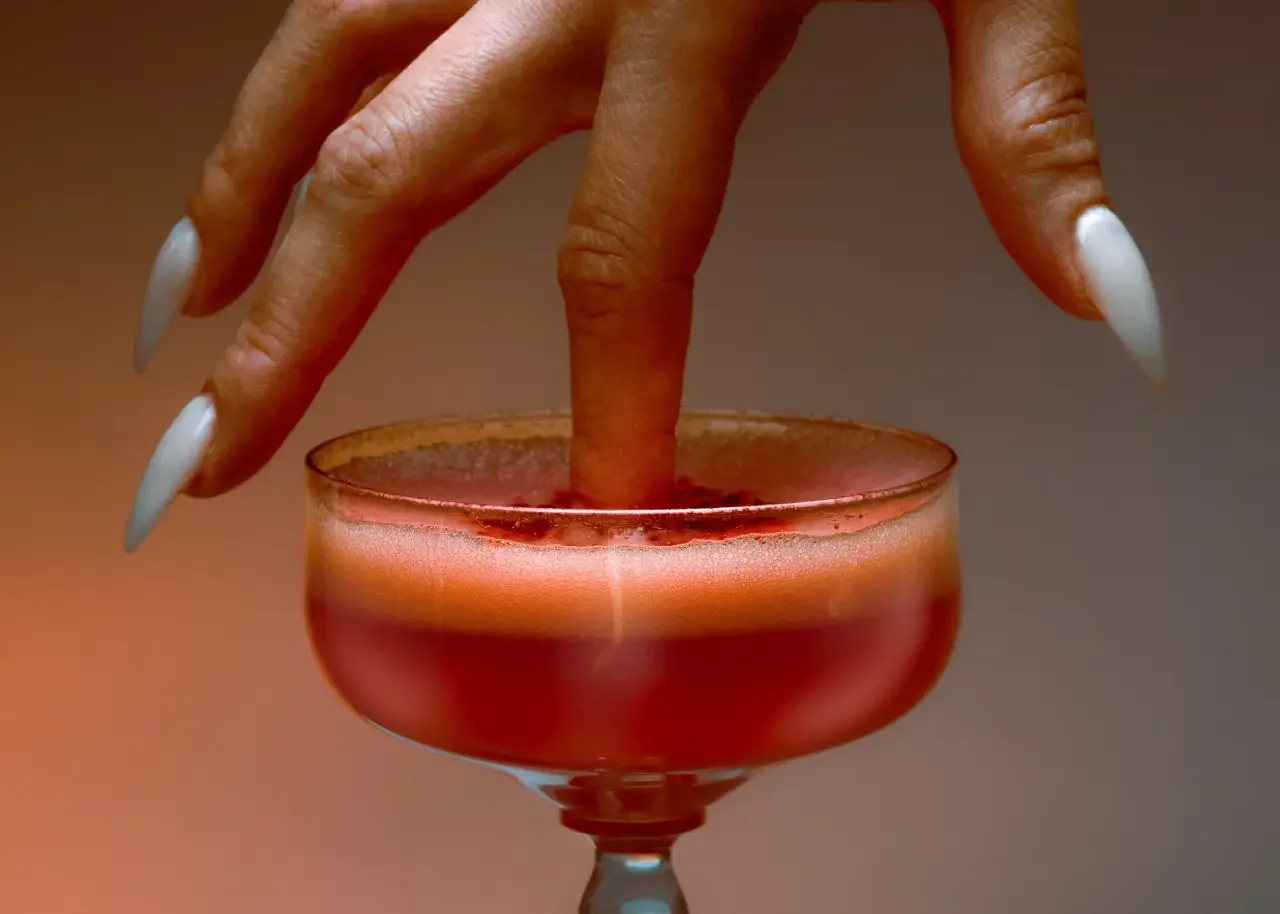
ADHD curiosity can turn “just a taste” into a second round before you’ve made a decision.
You do not have to earn the diagnosis by quitting first
A lot of men delay looking into ADHD because they assume no one will take it seriously while they are drinking, or that they have to prove they are not just an alcoholic before they are allowed to be anything else. That is backwards. A good assessment looks at how your brain worked at eight years old, long before the first beer, and at how it works now in the hours you are sober. The drinking is information in that assessment, not a disqualification.
Self-trust is what alcohol erodes fastest in men with ADHD. Every broken "just two" is another entry in the file that says you cannot be trusted with your own decisions. The way back runs through finding out why the will kept losing, treating that, and letting a few better evenings start to rebuild the file. That is what we do, with acceptance and commitment therapy and with people who understand that healing for an ADHD brain rarely looks like what works for everyone else.
If you have been waiting to be sober enough to ask about ADHD, you can stop waiting. Bring the drinking and the restlessness together, as they are. Reach out for a free 20-minute consultation.
Frequently asked questions
Is drinking a form of self-medication for ADHD?
Often, yes. Alcohol temporarily slows an overactive brain and briefly raises dopamine, which makes it an effective short-term fix for the restlessness and emotional intensity of ADHD. The relief wears off within an hour, sleep gets worse, and the next day's symptoms are stronger, which is why self-medicating with alcohol tends to escalate rather than stabilize.
Why can't people with ADHD stop at one drink?
Because stopping is an executive function task. The decision to have another drink happens in the same brain circuits that ADHD weakens: the ones that pause, check the plan, and tolerate the discomfort of not doing something. Alcohol impairs those circuits further, so each drink makes the next one harder to refuse. Structure and friction work better than willpower for this reason.
Does treating ADHD with medication reduce drinking?
It appears to lower risk, particularly in men. A 2017 study in the American Journal of Psychiatry of nearly three million people with ADHD found 35 percent lower odds of substance-related emergency visits in men during months they were taking ADHD medication, and 19 percent lower odds two years later. The study was observational and measured emergency visits, not everyday drinking, so it shows association rather than cause. Medication decisions belong with a prescriber; Brilla provides therapy and assessment, not prescriptions.
Can I get assessed for ADHD if I drink heavily?
Yes. A thorough ADHD assessment looks at how your attention, restlessness, and impulsivity worked in childhood, before alcohol was involved, and at how they work now during sober hours. Current drinking is important information in that assessment, not a disqualification. Some clinicians will ask for a period of reduced drinking to get a clearer picture of symptoms, and that is a reasonable request rather than a refusal.
When is ADHD and alcohol a problem that needs more than therapy?
When there are signs of physical dependence or impairment at work. Shakiness, sweating, or nausea on days without alcohol can signal withdrawal, which needs medical supervision to stop safely. Drinking before or during shifts, driving after drinking, or colleagues noticing are signs that a specialized alcohol treatment program should be the first call, with ADHD therapy alongside it. The SAMHSA National Helpline at 1-800-662-4357 is free and confidential.
Why do helping professionals with ADHD drink after shifts?
Because the shift has no built-in transition and the job uses up all available regulation. Nurses, medics, teachers, counselors, and first responders spend the day managing other people's distress, which drains the same capacity ADHD already limits. Then the day ends abruptly. Alcohol becomes the transition from on to off. Building a non-chemical transition, even twenty minutes long, often reduces the urge more than any rule about drinking does.
What this means for you
- The evening drink is doing a job. Until you know what the job is, cutting the drink just removes the tool and leaves the need.
- ADHD brains do not stop at one because stopping is an executive function task, and that is the function ADHD weakens. Structure beats willpower.
- Alcohol makes the next day's ADHD worse, mostly through sleep, which makes the next evening's drink more necessary. The loop is the problem, not your character.
- Treating the ADHD is associated with lower substance-related risk, especially in men. The drink tends to lose its reason when the restlessness has somewhere else to go.
- You do not have to quit first to get assessed, and you do not have to prove anything to ask.
The men who do best with this are not the ones with the most discipline. They are the ones who got curious about what the drink was for before they got ashamed of it, and who let someone help them answer the question. The drink was never the entire problem, and quitting it was never going to be the entire solution. Finding out why your brain needed it is where the work starts.
If you are not ready for a conversation yet, these are worth reading first: ADHD and Sleep: Why Your Brain Won't Close the Tab, High-Functioning ADHD: Why "You're Doing Fine" Is a Measurement Error, and Late-Diagnosed ADHD: Recognition, Assessment, Grief, and Rebuilding Self-Trust. Our adult ADHD therapy page covers how we work.
