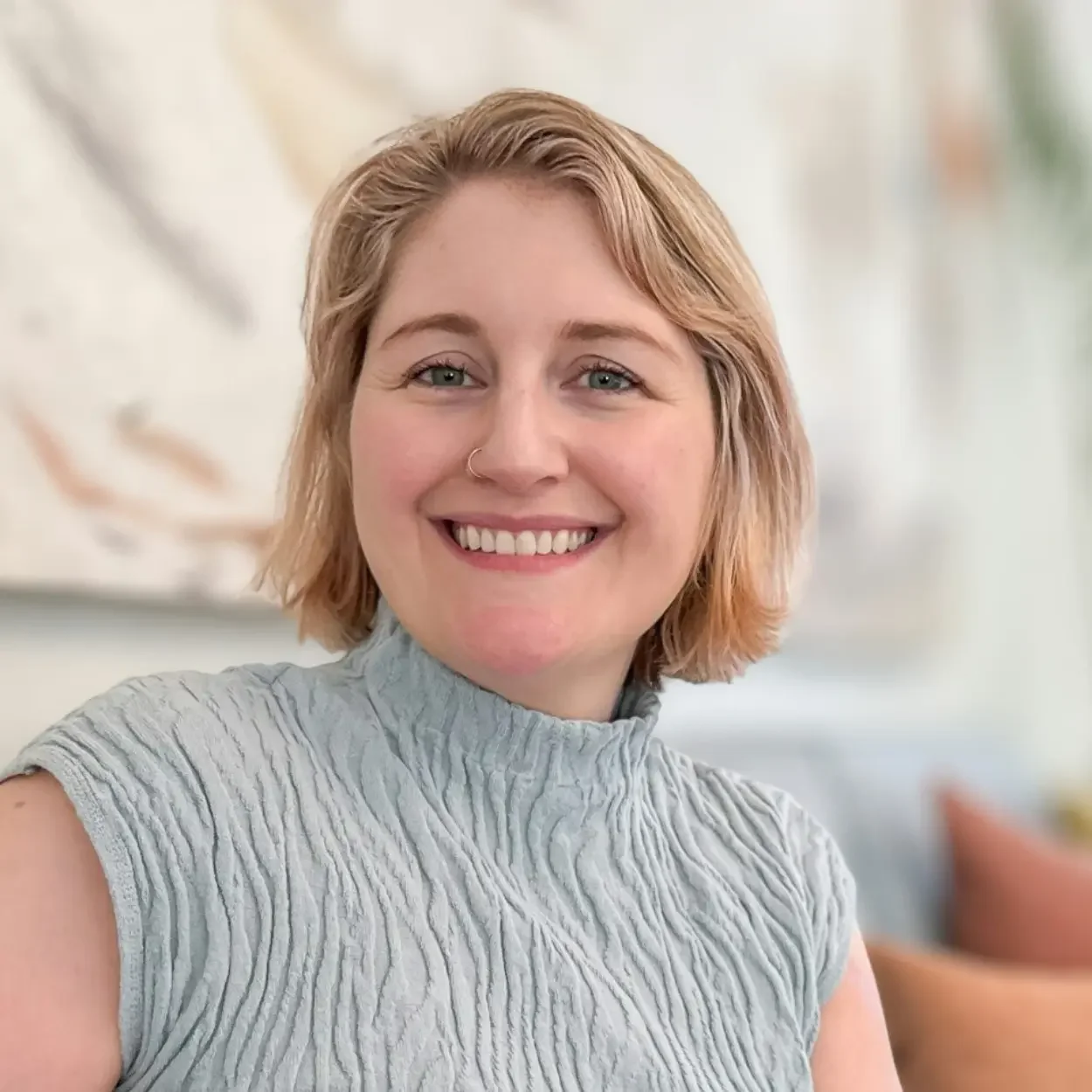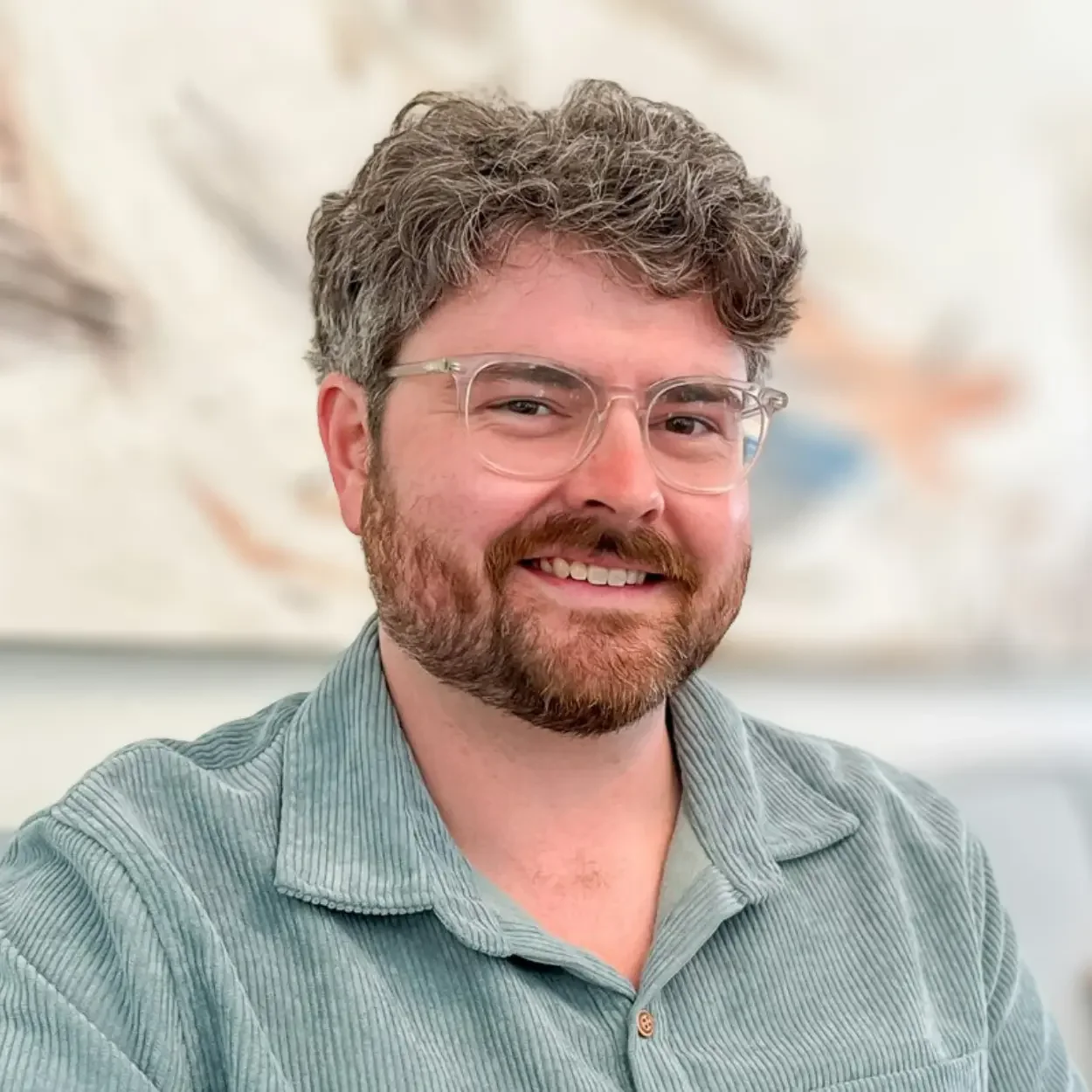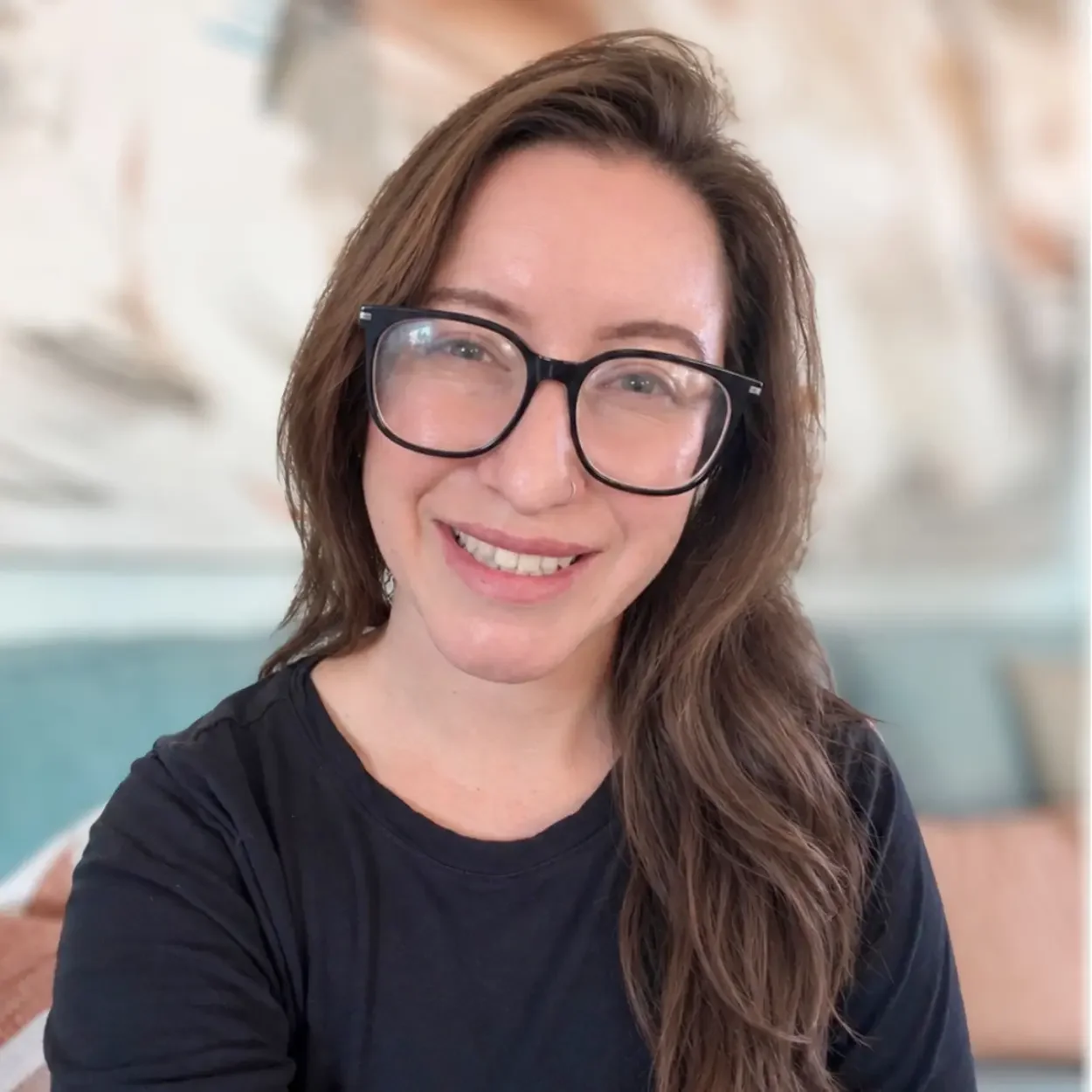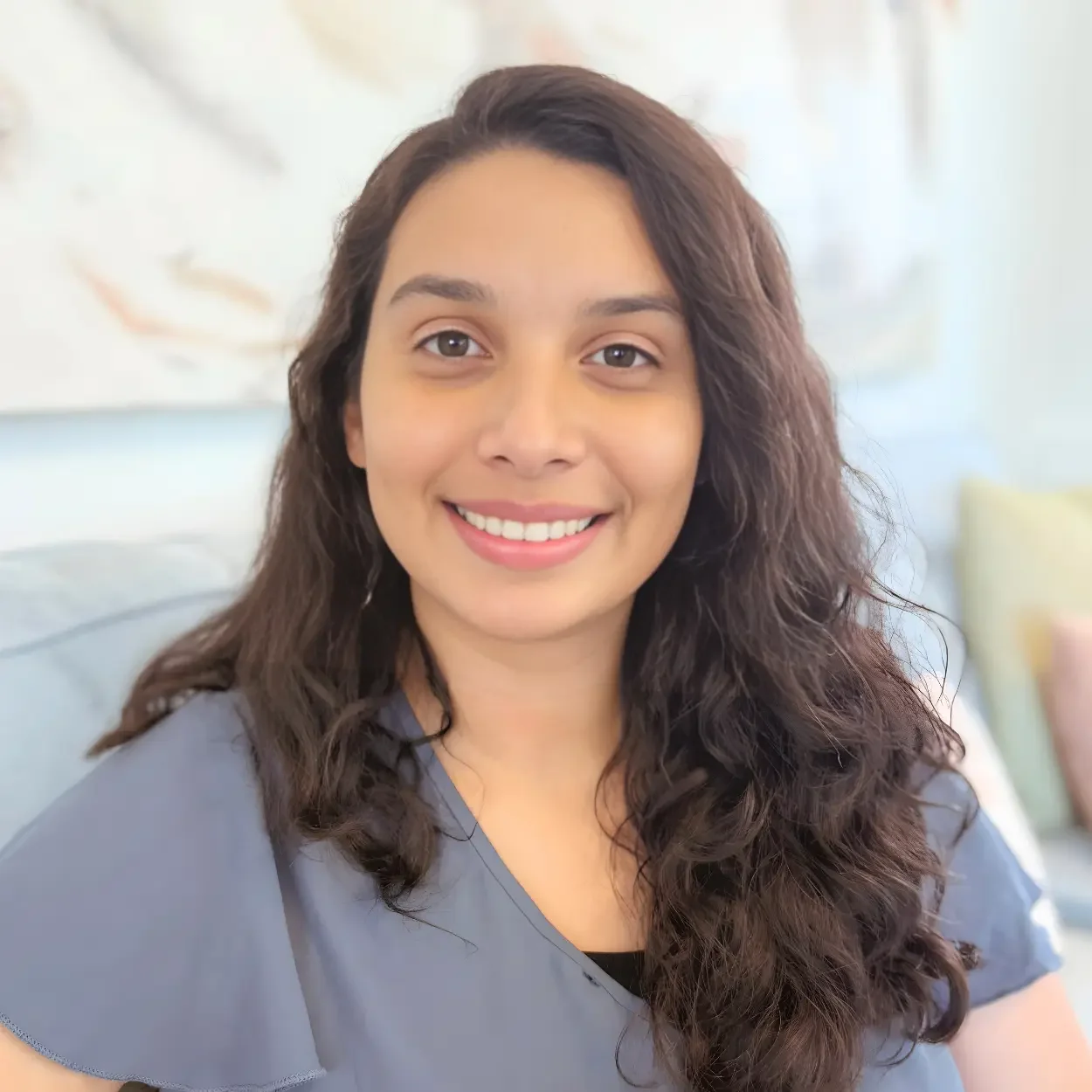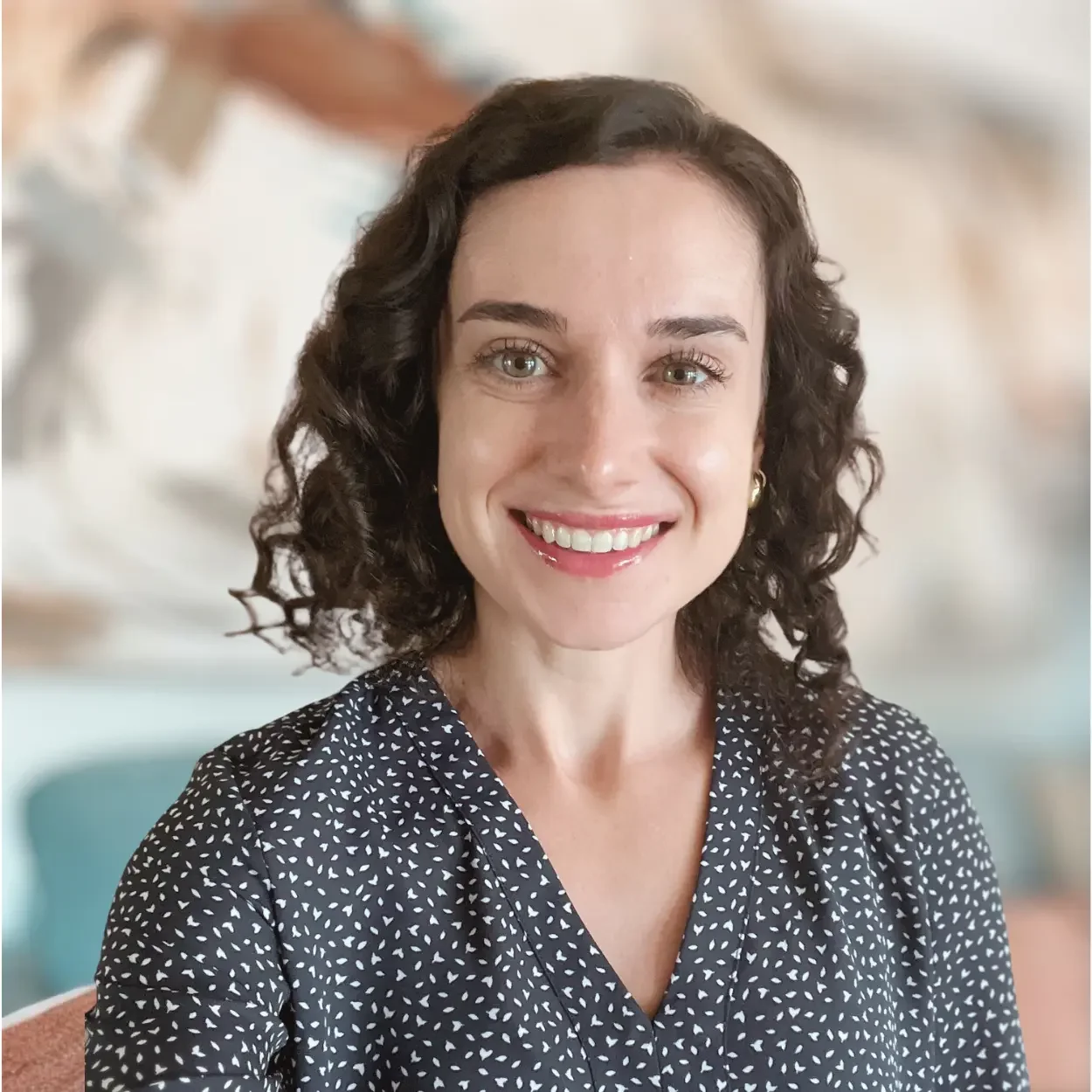

Meet Kim
I work with children, adults, and families navigating the effects of trauma, ADHD, anxiety, depression, chronic pain, and the complex ways these experiences overlap. I'm a neurodivergent-affirming therapist, which means I don't see ADHD or other neurological differences as problems to fix. I see them as part of who you are — and therapy is about building a life that works with your brain, not against it.
I became a therapist because I wanted to go deeper. While teaching at an international preschool in Japan, I kept seeing kids struggling with things I couldn't help with — sudden behavioral changes, chronic isolation, anger that didn't have an easy explanation. Their parents wanted answers, and I didn't have the training to give them. That experience pushed me to get my Master of Social Work so I could show up for people in a way that actually made a difference.
What I Bring to the Room
I'm trained in Trauma-Focused Cognitive Behavioral Therapy (TF-CBT) through the UC Davis CAARE Diagnostic and Treatment Center, and that framework shapes how I approach every client I see. Being trauma-informed doesn't just apply to people who identify as trauma survivors — it changes the way I build trust, pace our work, and hold space for whatever comes up.
I also draw from somatic healing practices, CBT, DBT, narrative therapy, Internal Family Systems (IFS), EMDR, and brainspotting. I've done my own deep therapeutic work using many of these approaches, and that personal experience matters. I know what it feels like to sit in the client's chair and do the hard thing.
I love teaching coping skills — especially meditations. There's something deeply satisfying about watching someone's body actually relax in session, sometimes for the first time in a long time. Yawns and softened shoulders tell me we're doing something right.
Who I Work With
I work with children, teens, adults, and families. Many of the people I see are dealing with:
Trauma and its aftereffects (anxiety, depression, relationship difficulties, chronic pain)
ADHD and other forms of neurodivergence
Identity exploration — including race, culture, gender, and sexuality
Life transitions and the stress that comes with them
As a biracial, bisexual, and genderqueer person, I bring lived experience to conversations about identity, intersectionality, and the stigma that can come from multiple directions at once. I'm committed to creating a space where all parts of who you are belong.
What Lights Me Up
My favorite moments in therapy are the ones where everything clicks — when a client's face shifts from confusion to surprise to "oh, that makes sense." Those realizations don't just stay in the room. People carry them out into their relationships, their routines, and their sense of who they are. That's what keeps me doing this work.
I also genuinely enjoy the creativity and resourcefulness that people with ADHD bring into session. The humor, the unexpected connections, the way an ADHD brain can build entire worlds — it makes for some of the most alive, dynamic work I get to do.
A Quote I Carry With Me
"Healing with yourself is connected with healing with others." — Yoko Ono
We don't heal in isolation. The skills you build in therapy are the same skills that strengthen your relationships, your sense of self, and your ability to show up in the world.
Kim Schuster is a Licensed Clinical Social Worker (#136830) in the State of California. Their registration can be verified through the Department of Consumer Affairs (DCA).
Kim is one of our therapists who specializes in trauma-informed care for clients with ADHD and other forms of neurodivergence. Learn more about our approach to trauma-informed ADHD therapy.
Credentials
Licensed Clinical Social Worker (LCSW #136830)
Master of Social Work
Certified in Trauma-Focused Cognitive Behavioral Therapy (TF-CBT)
Trained at UC Davis CAARE Diagnostic and Treatment Center
Additional training in CBT, DBT, Narrative Therapy, IFS, EMDR, Brainspotting, and Somatic Healing